
Summer Trophy Blue Catfishing Guide: James River Success Tips
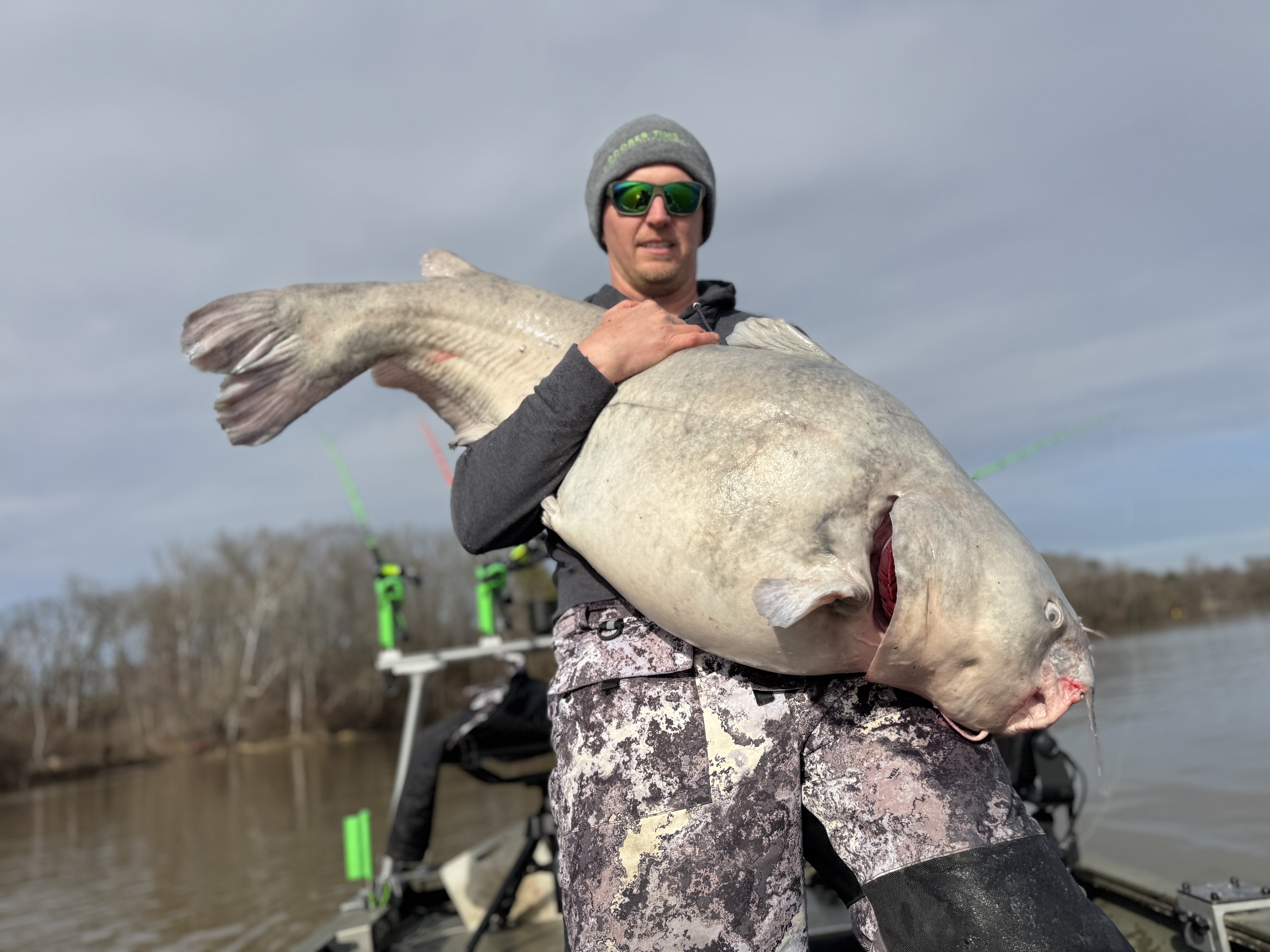
The tidal James River in Virginia is world-renowned as a premier fishery for trophy blue catfish. While winter often gets the spotlight for brute-force giant blues, summer offers some of the most dynamic, action-packed trophy catfishing of the entire year.
To land a river titan during the warmer months, you need to understand seasonal behavior, target the right structure, match current flows, and present high-quality fresh bait.

1. Understanding Summer Blue Catfish Behavior
During summer, water temperatures rise, causing catfish metabolism to spike. Blue catfish become highly active feeders, moving dynamically throughout the water column and current seams to hunt forage.
Post-Spawn Patterns: Early summer marks the end of the spawn. Post-spawn catfish are hungry, aggressive, and eager to rebuild energy reserves.
Tidal Dynamics: The tidal James River features incoming and outgoing tides that dictate fish positioning. Blue catfish use current breaks, drops, and ledges to ambush passing baitfish.
Low-Light & Night Activity: High sun and warm surface water push fish deeper into shaded ledges, holes, or heavy structure during mid-day. Early mornings, late afternoons, and night trips offer peak feeding windows.

2. Locating Trophy Blues on the James River
Summer blue catfish don't sit randomly on flat river bottoms; they target strategic features that concentrate current and bait.
Main Channel Ledges: Drops where shallow flats break into deep river channels (20 to 50+ feet) are prime holding areas. Position baits right along the drop-off edge.
Deep Holes & Bend Holes: River bends carve out deep pockets that collect oxygenated water and drifting forage during strong tidal pushes.
Structure & Cover: Submerged timber, bridge pilings, and rock piles slow down current, creating natural ambush spots for heavy blues.
Shallow Flats at Low Light: Don't overlook shallow mudflats (5–15 feet) near deep water during early mornings or night runs, as large blues often cruise these areas to feed.

3. Fresh Bait: The Ultimate Secret Weapon
The single most important rule for summer trophy blue catfishing is simple: Fresh bait is king. Blue catfish rely heavily on smell and lateral line senses to locate food.
Gizzard Shad: The gold standard on the James River. Large, oily cut gizzard shad releases a scent trail that blue catfish can't resist.
Fresh Atlantic Menhaden (Bunker): Highly effective in tidal stretches due to high oil content.
White Perch: Freshly caught cut white perch provides an irresistible, and hardy bait that catfish love to munch on.
Pro Tip: Keep bait on ice, but out of direct meltwater. Soft, waterlogged bait loses scent rapidly and won't hold well on the hook in strong current.

4. Rods, Reels, & Terminal Tackle Setup
Trophy blue catfish on the James River are often 30 to 60+ pounds. Gear must stand up to heavy current, lead weights, and powerful runs.
Rods: 7'6" to 8'0" medium-heavy, heavy, or extra-heavy power catfish rods with strong backbone and a sensitive tip. We rely on Hellcat Revenge rods from Catch the Fever
Reels: Durable baitcasting reels with heavy-duty drag systems and line capacity for 30–50 lb monofilament or 65–80 lb braided main line. We rely on 40 lb Suffix Monofilament and 65 lb Reaction Tackle Braid.
Rigs: The Santee Cooper Rig (a modified Carolina rig featuring a small inline peg float 6–12 inches behind the hook) keeps cut bait suspended just off the muddy river bottom, making it easy for cruising catfish to strike. Try our Goober Time 2-in-1 Rigs
Hooks & Weights: 8/0 to 10/0 high-carbon circle hooks paired with 2 oz to 16 oz sinkers (depending on current speed) on a sliding sinker slide.

5. Boat Control & Fishing Techniques
Mastering boat position relative to tide flow makes all the difference when setting up on the James River.
Anchoring / Spot-Locking: Position the vessel upstream of target structure or channel edges, casting baits back into the holding zones.
Drifting / Bouncing: On calm or slow-tide, controlled drifting with drift socks or trolling motors allows coverage of expansive channel flats to locate active schools.
Let the Circle Hook Work: When a trophy blue takes a bait, do not sweep set the rod. Let the rod load up in the holder; the circle hook will rotate naturally into the corner of the fish's mouth. Try our hooks

Practice Selective Harvest & Trophy Conservation
The James River remains a world-class catfishing destination because anglers respect the fishery. Releasing large trophy catfish (fish over 10 lbs) protects essential breeding stock and ensures the next generation of giants thrives for years to come. Eater-sized catfish under 10 pounds can be selectively harvested for the table, keeping the fishery balanced.


Captain Dan Szajta is a USCG Master and IGFA Captain who brings a unique, analytical edge to the waters of Central Virginia. When he isn’t guiding clients to "river monsters" on the James River, Dan serves as a high school math teacher—a background that fuels his precision-based approach to angling. By combining formal maritime expertise with a teacher’s knack for breaking down complex patterns, Dan specializes in breaking the code on trophy Blue Catfish, Flathead Catfish, and Smallmouth Bass for anglers of all skill levels.
Operating Goober Time Guide Service, Dan offers a versatile experience tailored to the water's demands. Whether you are hunting giants from his fully equipped main vessel or launching a kayak or raft to reach remote, low-pressure fisheries, his mission is to provide more than just a day on the water. Every trip is an opportunity to learn the "why" behind the bite, blending high-energy adventure with the technical insights of a true multi-species specialist.
Captain Dan Szajta
USCG Master Charter Captain
804-592-0456
*Contents of this article may not be reproduced without the prior consent of Goober Time Guide Service, LLC.


Comments