
The Ultimate Guide to Summer Smallmouth Bass Fishing on the James River
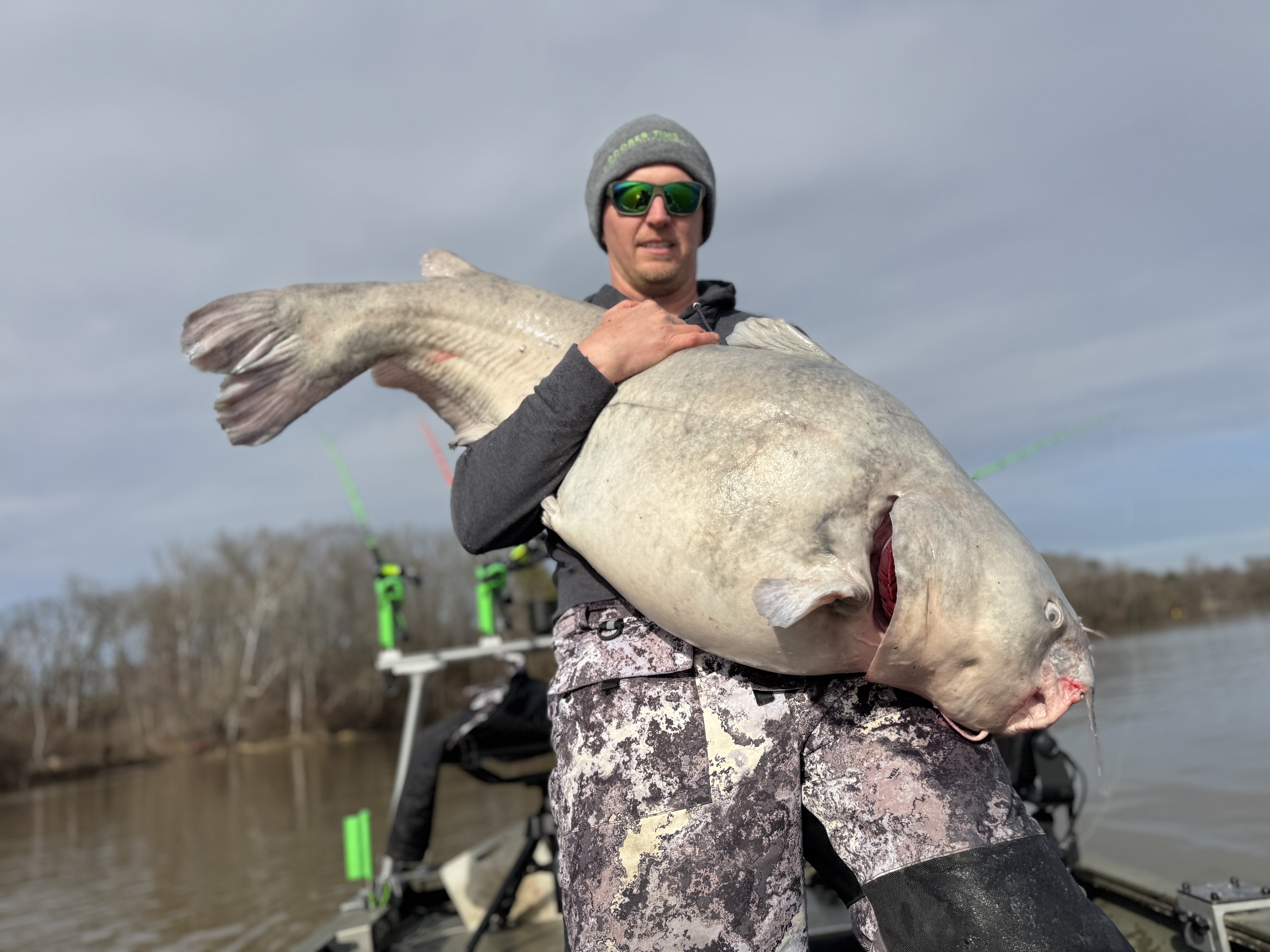
When the dog days of summer arrive in Central Virginia, the free-flowing stretches of the James River turn into one of the most exciting warm-water fisheries in the Mid-Atlantic.
Bold, aggressive, and pound-for-pound one of the hardest-fighting freshwater sportfish, the river smallmouth bass (Micropterus dolomieu) thrives in the rocky hydraulics and oxygen-rich currents of the James.
Whether you are wading river ledges on foot or navigating technical rapids by paddlecraft, consistent summer angling requires a firm grasp of seasonal bass biology, hydrograph reading, lure selection, and precise river access points. This comprehensive guide breaks down everything you need to know to tackle James River bronzebacks during the summer season.
1. Seasonal Movements & Biology of James River Smallmouth
Understanding how water temperature, river flow, and dissolved oxygen levels influence smallmouth positioning throughout the year is key to making every cast count.
The Summer Pattern: Oxygen and Current
As summer water temperatures rise into the high 70s and mid-80s, warm water holds less dissolved oxygen. Stagnant pools become sluggish, causing smallmouth to shift toward oxygenated current seams.
During high heat, smallmouth seek out three main micro-habitats:
Riffles and Whitewater Chutes: Fast-moving, aerated water provides elevated oxygen levels and disorients drifting prey like hellgrammites, minnows, and crayfish.
Deep Ledge Slots: Long, submerged rock ledges break the main river flow, creating shaded, deep slots where fish rest out of the direct sun while monitoring passing food.
Plunge Pools & Tailwaters: The churning water directly beneath river ledges or dam tailwaters acts as a natural feeding trough, concentrating actively feeding bass.
How Habits Change Across All Four Seasons
While summer is known for fast-paced current tactics, comparing seasonal shifts helps build a complete picture of the fishery:
Spring (50°F – 68°F): As water warms, smallmouth move out of winter wintering holes into gravel-bottomed creek mouths and river eddies. Pre-spawn fish feed aggressively on crayfish to build energy before moving into low-velocity gravel shoals to spawn.
Summer (70°F – 85°F+): Fish concentrate tightly in current breaks, whitewater chutes, shade lines, and deep rock slots. Feeding shifts toward early mornings, late evenings, and low-light periods, though deep-water current slots remain productive all day.
Fall (55°F – 68°F): Dropping water temperatures trigger a heavy feeding spree. Smallmouth key in on migrating minnows and juvenile shad, holding in transitional eddy pools and tailwaters to bulk up for winter.
Winter (Sub-50°F): Metabolism drops significantly. Smallmouth aggregate tightly in the deepest, slowest river holes and low-current slack pools. Strikes require slow, vertical, or bottom-dragging presentations.
2. Popular James River Access Locations Near Richmond, VA
The fall line of the James River around Richmond features diverse water, ranging from calm flatwater stretches to technical whitewater boulder fields. Checking the USGS James River gauge at Richmond is critical prior to any trip; wading and small-craft navigation are safest when levels remain at or below 4.0 feet.
Located off Riverside Drive on the south bank, Pony Pasture is one of the most accessible wade-fishing spots on the Upper James. The area is marked by broad boulder fields, shallow riffle chutes, and accessible ledge slots. It allows anglers to work upstream on foot, casting into eddy pockets behind exposed rocks.
Situated just upstream of the Z-Dam, Huguenot Flatwater provides a calm, wide stretch of river ideal for launching kayaks, canoes, or stand-up paddleboards. Paddling upstream grants access to gravel islands and ledge drop-offs that mark the transition between calm water and fast-moving shoals.
Positioned closer to downtown Richmond, this section features steep granite formations, deep river slots, and fast current seams. It offers prime habitat for larger smallmouth, but navigating the wet granite requires sturdy river wading boots with felt or carbide-studded soles.
Located at the upper boundary of the Richmond metro stretch, the tailwaters below Bosher's Dam dump aerated water into the main river channel. The churning water holds heavy concentrations of baitfish throughout July and August, attracting resident smallmouth seeking cool water and easy meal opportunities.
3. Productive Lures and Tactical Rigging
Matching the predominant river forage—primarily hellgrammites, native crayfish, and small river shiners—is the foundation of a solid summer tackle setup.
Soft Plastic Craws and Ned Rigs
Target Forage: Crayfish hiding under river rocks.
Tactics: Pair a 2.5 to 3-inch soft-plastic craw or Ned stickbait in green pumpkin, junebug, or dark melon with a 1/16-oz or 1/8-oz mushroom jighead. Cast upstream at a 45-degree angle above a ledge or boulder. Let the lure tumble naturally along the river bed with the current, maintaining light line contact to detect subtle bites.
Inline Spinners and Small Crankbaits
Target Forage: River minnows, darter species, and young-of-the-year shad.
Tactics: Compact inline spinners or shallow-running crankbaits in gold, crayfish orange, or silver fire steady reaction strikes when cast across current seams. Retrieve parallel to current breaks where fast water meets slack eddies.
Topwater Walking Baits and Poppers
Target Forage: Terrestrial insects, surface-distressed baitfish, and frogs.
Tactics: Low-light periods at dawn, dusk, or during overcast summer afternoons yield explosive topwater strikes. Work small poppers or walking baits along shaded riverbanks, calm foam lines below rapids, and low-velocity island tailwaters. Pause the lure near structure to trigger reluctant followers.
4. Reading River Hydraulics & Wading Safety
Navigating a river on foot or by paddlecraft requires reading water movement to locate fish and stay safe.
Identify the Head of the Pool: The area where fast riffles dump into deeper water is the "head." This is the highest-oxygen zone and usually holds active feeders.
Locate the Current Seam: Look for the distinct line where fast-moving foam mixes with slow-moving water. Smallmouth wait in the slow side of the seam, darting into the fast flow to snag passing food.
Safety Rules for River Wading: Always wear sturdy footwear, keep three points of contact on slippery rocks, watch for sudden river level changes, and use a wading staff in unfamiliar wading stretches.
5. Elevate Your River Skills
Mastering river mechanics, reading bottom structure, and identifying productive current seams takes time on the water. If you want to skip the trial-and-error period, learn technical river navigation, or refine your soft-plastic presentations, booking a guided trip provides a direct way to build confidence on Central Virginia waters.
Working alongside Goober Time Guide Service offers hands-on instruction in reading river structure, picking apart current breaks, and employing effective sportfishing tactics on the James River.


Comments